
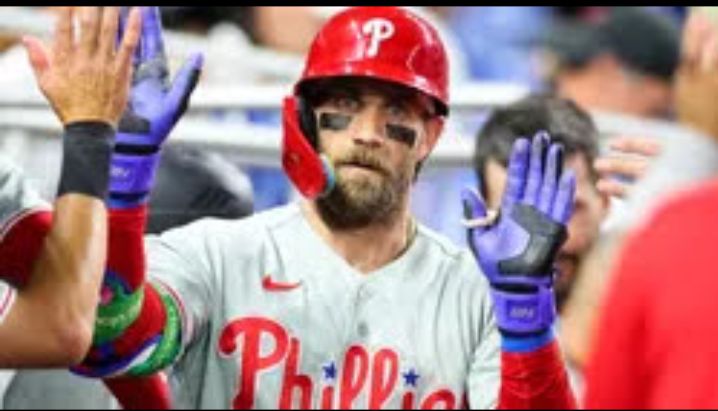
The early weeks of the season were anything but comfortable for the Philadelphia Phillies. Expectations surrounding the club were sky-high after several years of postseason success, yet the team stumbled out of the gate with inconsistent pitching, cold bats, and frustrating late-game collapses. Fans quickly began questioning whether the Phillies had lost the edge that made them one of Major League Baseball’s most dangerous teams.
But as the season progressed, the atmospherep inside the clubhouse began to change. The Phillies rediscovered their rhythm, their confidence returned, and the wins started piling up. At the center of the resurgence has been veteran leadership — both on the field and in the dugout. While stars like Bryce Harper continue to headline the roster, much of the credit for the turnaround has also gone to Don Mattingly, whose influence behind the scenes has reportedly helped stabilize the club during its toughest stretch.
Harper recently addressed the team’s transformation, offering insight into how the Phillies managed to recover from their rocky opening weeks and why Mattingly’s presence has made a significant impact.
Slow Start Raised Early Concerns
The Phillies entered the year carrying enormous expectations. With one of the National League’s deepest rosters, many analysts projected the club as a legitimate World Series contender. However, baseball’s long season rarely unfolds according to preseason predictions.
The team struggled to generate offensive consistency during the opening stretch of games. Key hitters went through extended slumps, and the lineup often failed to capitalize on scoring opportunities. Meanwhile, the pitching staff showed flashes of dominance but lacked reliability from top to bottom.
Losses began to pile up, and criticism followed closely behind. Questions about the team’s chemistry and urgency became common topics across sports media. Fans who expected dominance instead watched a talented roster searching for answers.
For Harper, however, panic never truly entered the clubhouse.
The Phillies star emphasized that experienced teams understand how quickly momentum can change in baseball. According to Harper, the players remained focused on maintaining confidence rather than overreacting to a difficult stretch early in the season.
Don Mattingly’s Influence Behind the Scenes
One of the biggest storylines during the Phillies’ turnaround has been the growing recognition of Don Mattingly’s role within the organization. The longtime baseball figure brought decades of experience and credibility to the coaching staff, and players have increasingly praised his calming influence.
Mattingly’s reputation across baseball has long been built on leadership, professionalism, and a deep understanding of the game. As a former MVP and respected manager, he commands attention without needing theatrics. That steady presence appears to have helped the Phillies navigate early adversity.
Harper spoke highly of Mattingly’s ability to keep the team grounded during difficult moments. Rather than allowing frustration to spiral, Mattingly reportedly encouraged players to trust the process and focus on daily improvement.
Veteran teams often succeed because they avoid emotional extremes, and Mattingly’s leadership style reflects that philosophy. Even while outside criticism intensified, the Phillies internally maintained belief that their talent would eventually shine through.
That confidence now appears justified.
Harper Leading by Example
As one of baseball’s premier stars, Bryce Harper naturally occupies a central role whenever the Phillies face adversity. The former MVP has become more than just an elite player in Philadelphia; he has evolved into one of the emotional leaders of the franchise.
Throughout the slow start, Harper consistently projected accountability and optimism. His performances on the field also began setting the tone for the team’s resurgence. Whether delivering clutch hits, showing intensity in key moments, or rallying teammates in the dugout, Harper’s energy became contagious.
When speaking about the turnaround, Harper stressed the importance of resilience over reactionary thinking. He acknowledged that the team was not performing to its standard early in the season but emphasized that experienced players understood how much baseball can fluctuate over 162 games.
Harper also pointed to improved communication inside the clubhouse as a major reason for the team’s rebound. Veteran leadership, combined with Mattingly’s guidance, helped players stay united instead of splintering under pressure.
That chemistry has become increasingly visible as the Phillies continue to play with greater confidence and consistency.
Pitching and Defense Have Improved
While offensive production often grabs headlines, the Phillies’ resurgence has also been fueled by stronger pitching and cleaner defense. Early-season mistakes repeatedly cost the team in close games, but those issues have gradually diminished.
The starting rotation has settled into a more dependable rhythm, giving the offense opportunities to build leads instead of constantly playing from behind. The bullpen, which initially struggled with consistency, has also shown improvement in high-pressure situations.
Defensively, the Phillies have looked sharper and more disciplined. Routine plays are being converted more consistently, and the team’s overall energy appears far more organized compared to the season’s opening weeks.
Harper credited preparation and trust as major factors in those improvements. According to him, the coaching staff continued emphasizing fundamentals rather than allowing frustration to dictate decision-making.
That patient approach has started paying dividends.
Phillies Regaining Contender Status
The turnaround has significantly altered the narrative surrounding Philadelphia’s season. What once looked like a team in danger of falling behind in the National League standings now resembles a legitimate contender once again.
The Phillies’ roster still features elite talent across the board, and their recent performances have reminded the baseball world why expectations were so high entering the season. More importantly, the team now appears mentally stronger after surviving early adversity.
Harper noted that enduring difficult stretches can sometimes strengthen a team over the long run. Rather than cruising through the early months, the Phillies were forced to confront weaknesses immediately and respond under pressure.
That experience may ultimately prove valuable later in the season, particularly once playoff intensity arrives.
Don Mattingly’s role in helping guide the team through that process has not gone unnoticed. While managers and coaches rarely receive daily headlines during winning streaks, their influence often becomes most important when teams face challenges. For Philadelphia, Mattingly’s steady leadership appears to have helped restore focus and confidence at a critical moment.
Looking Ahead
The Phillies understand that their resurgence means little if they fail to sustain it throughout the remainder of the season. Baseball’s long schedule guarantees more adversity ahead, and consistency will determine whether Philadelphia can truly emerge as a championship favorite.
Still, the current momentum has dramatically shifted the outlook surrounding the club. The Phillies once again look energized, dangerous, and capable of competing with any team in baseball.
For Bryce Harper, the turnaround serves as proof of the character inside the clubhouse. Rather than allowing a difficult start to define their season, the Phillies responded with patience, accountability, and renewed focus.
And with Don Mattingly helping guide the way behind the scenes, Philadelphia appears to have rediscovered the identity that made the team one of the league’s most feared contenders in recent years.
Leave a Reply