
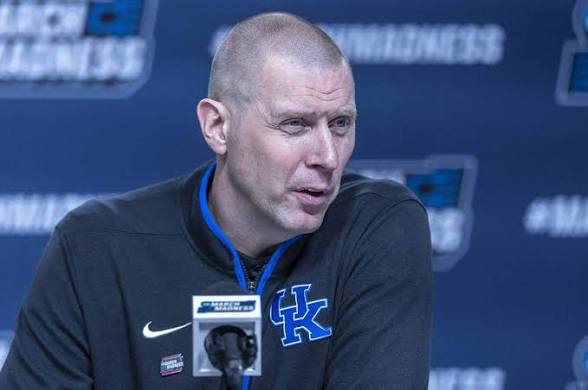
The pressure that comes with leading the Kentucky Wildcats is unlike almost anything else in college basketball. Every comment is analyzed, every roster move is debated, and every loss can feel like a crisis. That reality has followed Mark Pope ever since he took over one of the sport’s most demanding programs.
Recently, Pope opened up to Big Blue Nation in a candid discussion that covered recruiting, roster construction, player development, expectations, and the future of Kentucky basketball. Fans appreciated the honesty. Critics questioned whether the answers actually solved anything. And in many ways, that perfectly captures where the program currently stands: hopeful, but still searching for proof.
Kentucky fans are not simply looking for good interviews or encouraging comments. They want results. They want Final Four appearances, SEC championships, and a return to national dominance. While Pope’s willingness to engage with supporters has earned praise, the larger question remains whether his words are enough to calm growing concerns surrounding the Wildcats.
Pope entered the job with enormous excitement. A former Kentucky captain with deep ties to the program, he represented both nostalgia and a fresh start. After years of frustration and inconsistency, many fans believed the program needed a new voice — someone who understood the culture while embracing modern college basketball.
Early on, Pope leaned heavily into transparency. He talked openly about building relationships, adapting to the transfer portal era, and creating a fast-paced offensive identity. During his latest comments to Big Blue Nation, he once again emphasized patience and long-term growth rather than quick fixes.
That message resonated with some supporters. Others were less convinced.
The reality is that Kentucky basketball is not judged on patience. It is judged on banners. Fans understand roster turnover is now part of the sport, but they still expect elite talent and elite performance every season. Pope acknowledged the challenges of building chemistry in an era where players constantly move between programs, but many fans believe that explanation only goes so far at a place like Kentucky.
One of the biggest topics Pope addressed was recruiting. Kentucky supporters have closely watched how the coaching staff balances high school recruiting with transfer portal additions. Traditionally, the Wildcats built their reputation on attracting elite freshmen before preparing them for the NBA. Today, however, experience often matters just as much as raw talent.
Pope defended the program’s strategy, explaining that modern roster building requires flexibility. He pointed out that veteran players can stabilize a team while younger stars continue to develop. In theory, that approach makes sense. Many recent national champions have relied heavily on experienced lineups rather than one-and-done superstars.
Still, skepticism remains.
Kentucky fans are used to competing for the very best recruiting classes in the country. When certain elite prospects choose other programs, frustration quickly follows. Some supporters worry the Wildcats are losing part of their identity by leaning too heavily on transfers instead of dominating the high school recruiting landscape.
Pope’s answers may have clarified the strategy, but they did not necessarily erase the doubts.
Another major issue is toughness. In recent seasons, Kentucky teams have often been criticized for lacking physicality and consistency in big moments. Pope addressed those concerns directly, promising that future Wildcats teams would play with greater discipline, energy, and defensive intensity.
That promise matters because effort and toughness are non-negotiable in Lexington. Fans can accept losses more easily when they see relentless competitiveness. Pope understands that expectation, and he repeatedly stressed the importance of accountability within the locker room.
However, accountability is easier to discuss in interviews than demonstrate during SEC play.
The Wildcats face one of the toughest schedules in college basketball every year. Competing against rivals like Tennessee Volunteers, Auburn Tigers, and Alabama Crimson Tide requires more than optimism. It requires execution under pressure. Until Kentucky consistently wins those marquee games, questions about the program’s direction will continue.
Pope also discussed the emotional side of coaching Kentucky. He acknowledged the intensity of Big Blue Nation and admitted that expectations can feel overwhelming. Rather than avoiding criticism, he embraced it as part of the responsibility that comes with the job.
That honesty earned respect from many fans.
In today’s sports world, coaches often rely on carefully managed public statements that reveal very little. Pope’s openness feels different. He speaks with emotion, confidence, and authenticity. Supporters appreciate that he genuinely cares about restoring Kentucky basketball to elite status.
But authenticity alone cannot satisfy a fanbase that expects championships.
For many observers, the key issue is whether Pope can translate culture-building into actual postseason success. Kentucky has experienced disappointing NCAA Tournament exits in recent years, and patience among fans has grown thin. Even encouraging regular-season stretches no longer feel enough unless they lead to deep March runs.
That reality creates enormous pressure on every decision Pope makes.
Roster choices are scrutinized. Rotation adjustments become major debates. Recruiting misses are amplified on social media. Every comment Pope makes is dissected because fans desperately want signs that Kentucky is truly moving back toward national contention.
To his credit, Pope has not backed away from those expectations. He repeatedly emphasized that the goal remains winning championships, not simply rebuilding respectability. He understands that Kentucky should compete with the very best programs in the nation, and he believes the Wildcats are capable of reaching that level again.
Whether fans believe him may depend entirely on what happens next season.
If Kentucky starts strong, develops chemistry quickly, and competes near the top of the SEC standings, Pope’s recent comments will look thoughtful and reassuring. Fans will point to his leadership and communication style as strengths that helped stabilize the program during a difficult transition period.
But if inconsistency continues, the same comments may be viewed very differently
At Kentucky, words rarely carry lasting value without victories attached to them. Big Blue Nation has heard promises before. Fans have listened to coaches explain recruiting philosophies, discuss player development, and preach patience. Ultimately, though, Kentucky basketball is measured by results on the court.
That does not mean Pope’s openness was meaningless.
In fact, his willingness to engage honestly with fans may help strengthen trust within the program. Players often respond well to coaches who communicate clearly and confidently. Recruits notice when a coach speaks passionately about culture and development. And supporters appreciate feeling included rather than ignored.
Still, the biggest answers will not come during interviews or Q&A sessions.
They will come during rivalry games in packed arenas. They will come during February title races. And most importantly, they will come during March Madness, where Kentucky’s legacy has always been defined.
For now, Pope has succeeded in keeping hope alive. He has reminded fans that he understands the responsibility of leading one of college basketball’s most historic programs. He has shown confidence in his vision and belief in the direction of the Wildcats.
But in Lexington, hope is only the beginning.
Big Blue Nation wants proof. Until Kentucky delivers consistent winning, deep tournament runs, and championship-level basketball again, every answer from Mark Pope will continue to face the same question: does it actually move the needle at all?
Leave a Reply