
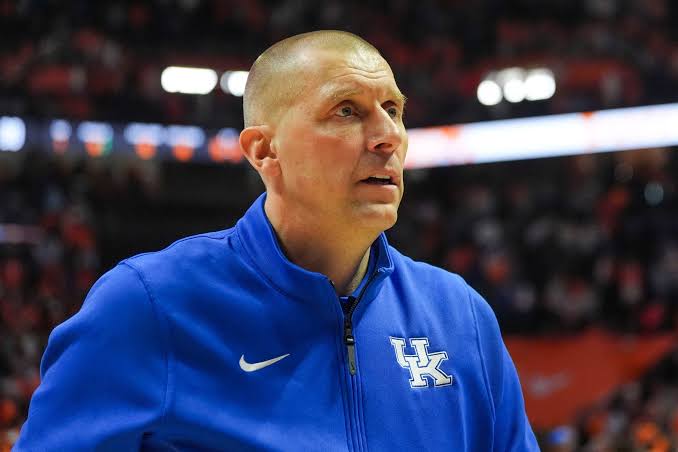
The pressure surrounding the Kentucky Wildcats basketball program never truly disappears, but this offseason it has grown louder than ever. As rival programs like Louisville Cardinals and Tennessee Volunteers continue building momentum through recruiting wins, transfer portal success, and rising national expectations, attention has shifted squarely toward Mark Pope and the challenges facing Kentucky Wildcats.
For Kentucky fans, expectations are never modest. Competing for championships is considered the standard, not the goal. That reality has created an increasingly tense atmosphere in Lexington as rival programs appear to be gaining traction while Kentucky continues to search for answers in the modern transfer portal era.
The Wildcats entered the offseason hoping to reload quickly after roster turnover, but the portal process has proven far more difficult than many anticipated. Kentucky has missed on several major transfer targets, and concerns about roster balance, experience, and depth continue to grow. Meanwhile, Louisville and Tennessee have both capitalized on the changing college basketball landscape.
At Louisville, optimism is beginning to return after years of inconsistency. The Cardinals have aggressively pursued talent through both recruiting and the transfer portal, creating renewed excitement around the program. Their recent momentum has energized fans and placed them back into national conversations far earlier than many expected.
Tennessee, on the other hand, has become a model of consistency under head coach Rick Barnes. The Volunteers have combined strong defensive identity, player development, and portal additions to remain among the top programs in the SEC. Their ability to sustain success while Kentucky navigates uncertainty has only intensified comparisons between the two programs.
For Mark Pope, those comparisons are becoming increasingly uncomfortable.
When Pope arrived in Lexington, he inherited enormous expectations. His offensive creativity, energy, and ties to the Kentucky program generated immediate enthusiasm among the fan base. Many believed he could modernize the Wildcats while reconnecting the program to its traditional identity.
However, excitement alone does not quiet criticism at Kentucky.
The Wildcats’ struggles in the transfer portal have created growing doubts about whether the roster can realistically compete at the highest level next season. In today’s college basketball environment, portal success often determines immediate championship potential. Programs capable of landing experienced guards, versatile wings, and proven scorers gain a massive advantage.
Kentucky has not completely failed in the portal, but expectations in Lexington demand elite results, not average ones. Fans have watched other programs secure high-profile commitments while Kentucky continues searching for impact players capable of transforming the roster.
That frustration becomes even more significant when rival schools are thriving.
Louisville’s resurgence is especially concerning for Kentucky supporters because of the historic rivalry between the two programs. Anytime the Cardinals gain momentum while Kentucky faces uncertainty, pressure naturally increases. The rivalry has always extended beyond the court into recruiting battles, statewide attention, and national perception.
If Louisville continues improving while Kentucky struggles to establish stability, criticism toward Pope will inevitably intensify.
The same applies to Tennessee’s rise within the SEC hierarchy. The Volunteers have developed into one of the conference’s most reliable contenders, regularly competing deep into March while maintaining roster continuity. Kentucky fans expect their program to lead the SEC, not chase programs that once operated in the Wildcats’ shadow.
Pope’s supporters argue that patience is necessary. Building a championship-level roster in the NIL and transfer portal era is increasingly complicated, particularly at a program where every move is scrutinized nationally. Recruiting battles now involve financial opportunities, roster fit, playing time, and long-term development plans in ways college basketball has never experienced before.
There is also the reality that Kentucky remains an attractive destination. The Wildcats still possess elite facilities, passionate fan support, national visibility, and one of the strongest traditions in the sport. Pope’s system may eventually appeal to players seeking offensive freedom and NBA development opportunities.
But patience is rarely abundant in Lexington.
Kentucky’s fan base measures success differently than most programs. Final Four appearances, SEC titles, and national relevance are considered expectations rather than achievements. Anything short of competing for championships quickly becomes a source of frustration.
That environment creates a unique challenge for Pope as he attempts to reshape the roster while also winning immediately.
The coming months could prove crucial for the trajectory of his tenure. Additional portal additions, player development, and offseason chemistry will all influence how Kentucky is viewed entering next season. If the Wildcats manage to land impact contributors and develop a cohesive identity, much of the criticism could fade quickly.
College basketball narratives change rapidly, especially in the offseason.
Still, there is no denying that pressure around the program is rising. Louisville’s improvement and Tennessee’s continued success have amplified every Kentucky roster question. Fans are watching rivals gain momentum while waiting for the Wildcats to deliver convincing answers of their own.
For Mark Pope, the situation represents both a challenge and an opportunity.
A successful season would immediately silence concerns and reaffirm belief in his leadership. Kentucky remains one of the most powerful brands in college basketball, and a strong campaign could restore confidence throughout the fan base.
But if portal struggles continue and rivals keep thriving, scrutiny will only intensify.
At Kentucky, the spotlight never dims for long.
Leave a Reply