
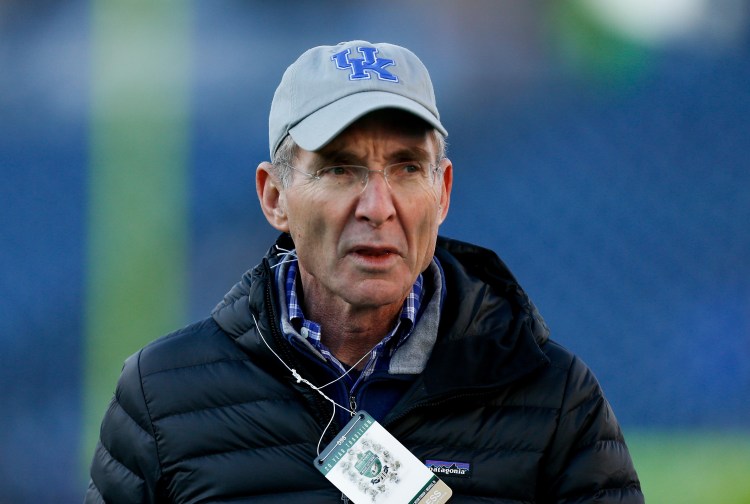
Andy Beshear has never been shy about expressing his passion for sports in the Bluegrass State, especially when it comes to the proud traditions of University of Kentucky athletics. This week, the Kentucky governor sparked conversation across the state after publicly criticizing the university’s leadership and expressing disappointment with the recent performances of the Wildcats. His comments quickly drew attention not only because of his political stature, but also because he compared the current situation at Kentucky to the controversial era associated with former university president James Ramsey.
For many sports fans in Kentucky, such comparisons carry significant weight. Ramsey’s tenure at the University of Louisville was marked by both athletic success and major controversies that eventually damaged the institution’s reputation. By invoking Ramsey’s name, Beshear appeared to warn Kentucky leadership against losing touch with accountability, transparency, and the expectations of fans and alumni.
The governor’s remarks came during a period of growing frustration among Wildcats supporters. Expectations are always sky-high in Lexington, where basketball in particular is treated as more than just a sport. The Wildcats are one of the most decorated programs in college athletics, and fans demand excellence every season. Anything short of championship-level performance is often viewed as unacceptable.
Beshear emphasized that Kentucky’s athletic programs should reflect the pride and tradition associated with the university. He argued that leadership at the school must do a better job of ensuring consistency, competitiveness, and long-term vision. According to the governor, recent performances have failed to meet the standards that generations of Kentucky fans have come to expect.
While he did not single out every individual responsible, his comments clearly suggested dissatisfaction with the broader direction of the athletic department. Many observers interpreted his remarks as a challenge to administrators, coaches, and decision-makers to take a more aggressive approach toward restoring Kentucky’s dominance.
The Wildcats have experienced flashes of success in recent years, but inconsistency has frustrated supporters. Recruiting remains strong, and the program still attracts national attention, yet results on the court have not always matched the talent level on the roster. Early tournament exits, struggles against conference rivals, and questions surrounding player development have fueled ongoing debates among fans.
Beshear’s comments resonated because they reflected concerns already circulating throughout the fanbase. Across social media and sports radio shows, many supporters have questioned whether the university is doing enough to maintain its place among the nation’s elite programs. For a school with Kentucky’s history, simply being competitive is not enough. The expectation is to contend for championships year after year.
The governor also stressed the importance of leadership culture. He suggested that great athletic programs require more than talented players and coaches; they require strong institutional leadership that understands the identity of the university and the passion of its supporters. In his view, complacency can quickly become dangerous for programs operating under immense national pressure.
Some fans applauded Beshear for speaking openly about issues they believe need attention. They viewed his comments as a sign that influential figures across Kentucky recognize the urgency of restoring the Wildcats to their traditional standard of excellence. Others, however, argued that political leaders should avoid becoming too involved in athletic matters, insisting that sports decisions should remain within the university structure.
Regardless of opinion, the governor’s remarks have intensified scrutiny surrounding the Wildcats heading into the future. Every game, coaching decision, and administrative move will likely face even greater attention in the coming months. The pressure to respond with improved performances is now stronger than ever.
The situation also highlights the unique relationship between Kentucky athletics and the identity of the state itself. Few college programs carry the emotional significance that the Wildcats do in Kentucky. Victories unite communities, while disappointing seasons can dominate headlines and conversations for weeks. Because of this deep connection, criticism from a governor carries symbolic importance beyond ordinary sports commentary.
For the Wildcats, the challenge now is straightforward: prove the doubters wrong. Success on the court remains the most effective response to criticism, and the program still possesses the resources, fan support, and recruiting power needed to compete at the highest level. The expectation from fans, alumni, and even state leaders is clear — Kentucky basketball should be among the best in the country.
As the program moves forward, all eyes will remain on how university leadership responds to the growing pressure. Whether Beshear’s comments ultimately serve as motivation or simply add to the tension surrounding the Wildcats remains to be seen. One thing, however, is certain: in Kentucky, basketball is never just a game, and expectations for excellence never disappear.
Leave a Reply