
Led Zeppelin’s January 8th, 1970 Albert Hall Performance: A Defining Moment in Rock History
Led Zeppelin’s January 8th, 1970 concert at London’s Royal Albert Hall is frequently heralded as one of the finest live performances not only in the band’s storied history but also in the broader pantheon of rock music. At the time, the group was rapidly ascending into global superstardom, and this show captured them in peak form: confident, inventive, and oozing with raw power. With tight jams, blistering solos, and unmatched stage chemistry, the Albert Hall performance stands as a time capsule of Led Zeppelin’s explosive energy during their early years.
By early 1970, Led Zeppelin had already released two landmark albums — Led Zeppelin I and Led Zeppelin II — both of which had established them as a force to be reckoned with. Their sound, blending blues, hard rock, and psychedelia, was unlike anything else at the time. The Royal Albert Hall performance came just a few months after Led Zeppelin II hit number one in both the UK and the US, effectively putting the band at the top of the rock world. With the crowd buzzing and expectations high, Zeppelin delivered a set that exceeded even the loftiest hopes.
What sets this particular show apart is the sheer intensity and cohesion of the band. From the first notes of “We’re Gonna Groove,” the opening song, it’s clear that the band came to make a statement. Jimmy Page’s guitar tone was sharp and aggressive, while John Bonham’s drumming was thunderous and precise — the very definition of controlled chaos. John Paul Jones provided the foundation with his bass and keyboard work, seamlessly shifting between instruments and styles. Meanwhile, Robert Plant’s vocals soared with youthful ferocity, alternating between raw blues shouts and haunting melodic passages.
Perhaps one of the most remarkable aspects of the Albert Hall concert is the spontaneity of the performance. Led Zeppelin was known for taking liberties with their studio tracks during live shows, and this night was no exception. Songs like “Dazed and Confused” and “How Many More Times” were transformed into sprawling epics, with extended instrumental sections and improvisational detours. Page’s violin bow solo during “Dazed and Confused” became a hallmark of his live performances, and here it was delivered with eerie, otherworldly precision that mesmerized the crowd.
Another highlight of the night was “Whole Lotta Love,” which by 1970 had already become a Zeppelin anthem. At the Royal Albert Hall, it was delivered with a swagger and intensity that elevated it from a hit single to a live juggernaut. The midsection of the song broke into a medley of blues standards and psychedelic riffs, with Plant howling like a man possessed and Page ripping through riff after riff with apparent ease. The band’s ability to improvise collectively — to build and release tension in real time — is one of the reasons this performance is still talked about decades later.
One of the most appealing aspects of the Albert Hall show is how it reflects the band’s hunger and unity. There was no choreography, no flashy stage effects — just four musicians feeding off each other’s energy and pushing the limits of their craft. Bonham’s extended drum solo on “Moby Dick,” for instance, is a masterclass in rhythm and stamina. Far from being a mere showcase, it felt like an organic expression of the concert’s fiery spirit.
The venue itself added a unique atmosphere. Royal Albert Hall, with its domed ceiling and classical architecture, might seem an unlikely place for such a high-octane rock show, but the juxtaposition only added to the drama. The sound quality, despite the era’s limitations, was surprisingly good, and the intimate setting allowed for a closer connection between the band and the audience.
For years, this performance circulated among fans in bootleg form before finally being officially released in video and audio formats. When the footage was restored and included in the 2003 Led Zeppelin DVD, it gave a whole new generation of fans the chance to witness the band at their unfiltered best. The black-and-white film aesthetic, combined with the ferocity of the playing, only enhanced the mythos of the event.
In retrospect, the January 8th, 1970 Albert Hall performance represents a perfect storm of talent, timing, and attitude. It was a moment when Led Zeppelin was young, hungry, and eager to prove that their place at the top of the charts was no fluke. They played with a looseness that never veered into sloppiness, and with a confidence that was fully earned. Every jam, every solo, every scream was delivered with purpose and passion.
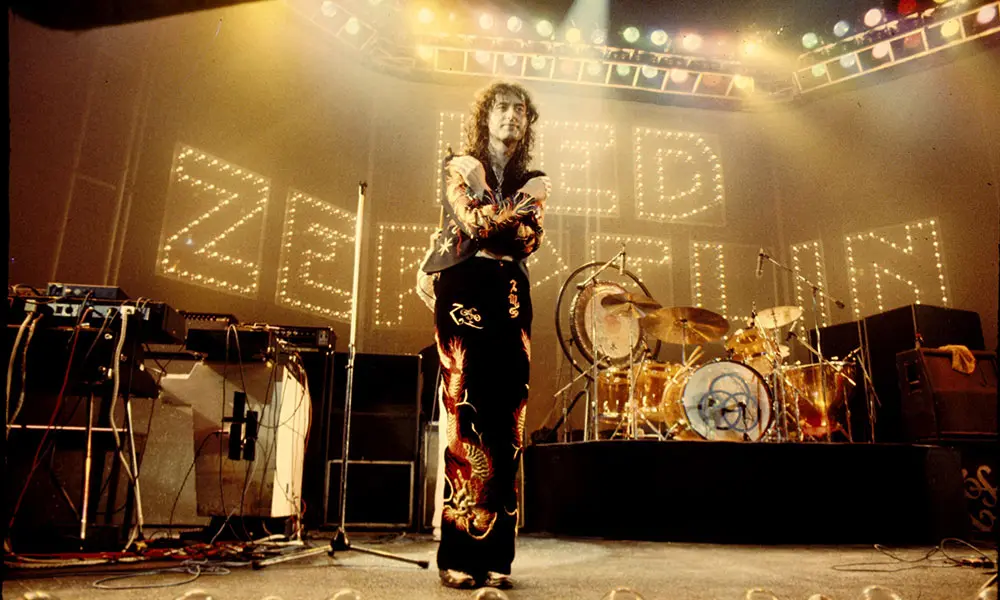
In the grand tapestry of rock history, many bands have had “that one show” — a night when everything clicked, and the music seemed to transcend the limitations of the stage. For Led Zeppelin, the Royal Albert Hall gig in early 1970 was that moment. More than five decades later, it continues to resonate not just as a document of a great band in full flight, but as a touchstone for what live rock performance can aspire to be: bold, dynamic, and utterly unforgettable.